🍽 Introduction
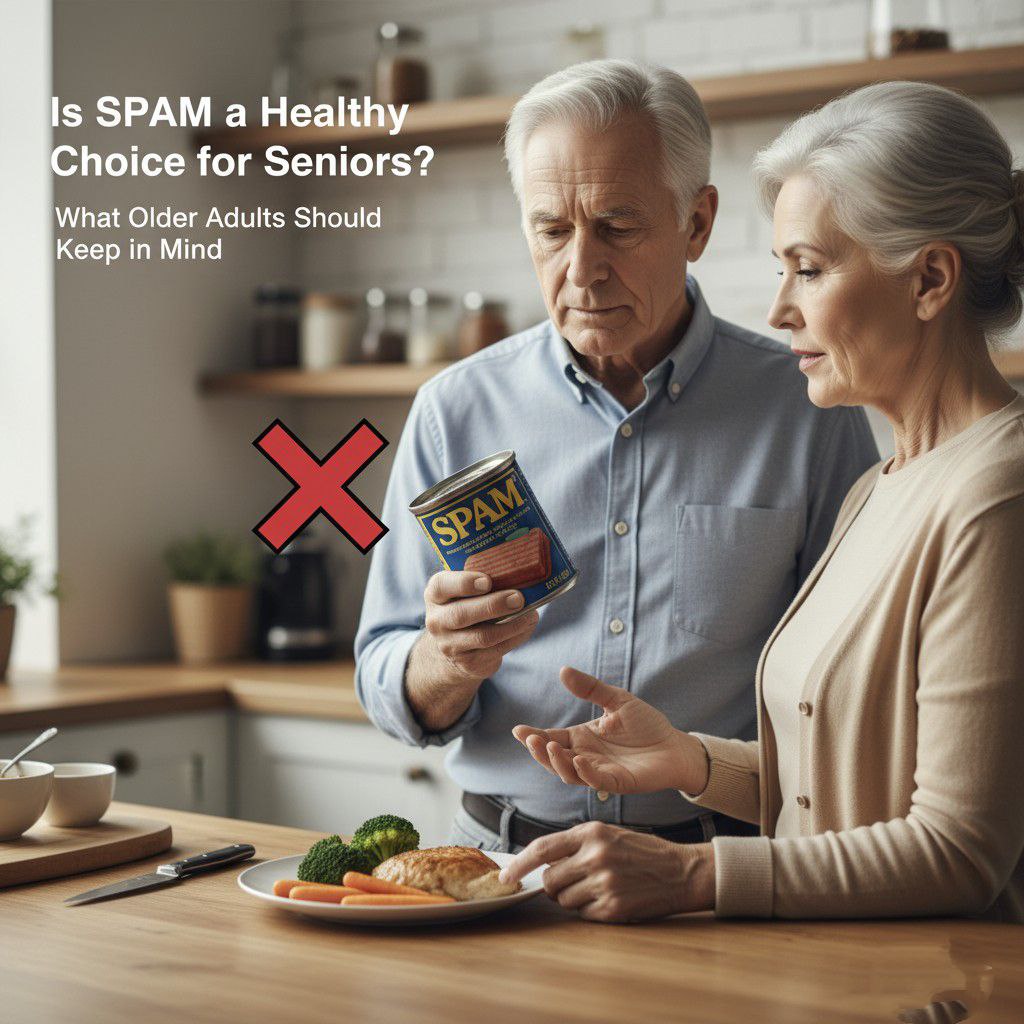
When you’re shopping for convenient protein options, especially as a senior or older adult, cans like SPAM can seem appealing. They’re shelf-stable, ready to heat, easy to prepare, and familiar. But the question remains: Is SPAM a healthy choice for seniors?
For older adults, nutrition requirements change. You may need more protein, less sodium, healthier fats, and fewer preservatives. So it’s important to evaluate whether SPAM meets these evolving needs — or if it’s better to treat it as an occasional indulgence rather than a staple.
In this article we’ll explore:
- What SPAM is and its nutritional profile
- The specific nutrition needs of seniors
- Potential benefits of eating SPAM
- Health risks and concerns for older adults
- Practical tips on how seniors might include SPAM (if at all)
- Better alternatives for regular consumption
Let’s take a clear look at the facts.
🥫 What Is SPAM?
SPAM is a brand of canned cooked pork and ham product produced by SPAM / Hormel Foods Corporation. Originally introduced in 1937, it became popular during WWII for its long shelf life and convenience.
The key ingredients: ground pork shoulder, ham, salt, water, modified potato starch (as a binder), sugar, and sodium nitrite (a preservative) among others.
Nutritionally, for a typical 56-gram serving (about 2 oz):
- Calories: approx 174
- Protein: ~7 g
- Fat: ~15 g (of which saturated fat is a significant portion)
- Carbohydrates: ~2 g
- Sodium: around 30–35% of daily recommended intake for many adults.
It’s clearly highly processed, shelf-stable, convenient — but with trade-offs.
👵 Nutrition Needs for Seniors: What Changes?
As we age, our bodies undergo changes that affect how we use food and nutrients. Some key considerations:
- Protein needs: Older adults often need more protein per kilogram of body weight to maintain muscle mass and strength.
- Sodium sensitivity: Blood pressure and kidney function can change, making high sodium foods riskier.
- Fat quality matters more: Saturated fat, trans fat can impact cardiovascular health — something many seniors need to watch.
- Preservatives & processed food burden: Older digestive systems may handle preservatives less well; chronic exposure to highly-processed foods can contribute to long-term health issues.
- Micronutrient absorption: Vitamins and minerals may not absorb as efficiently, so nutrient-dense foods become more important.
- Digestive concerns: High-salt or high-fat foods may be harder to digest, and contribute to bloating, fluid retention, or kidney stress.
In short, older adults benefit from nutrient-rich, minimally processed proteins with lower sodium and healthier fats.
✅ Potential Benefits of SPAM for Seniors
Despite its drawbacks, there are some positive aspects of SPAM — especially when used smartly and in moderation:
- Convenience: For seniors who may have limited mobility, fewer meal-prep options or live alone, a shelf stable protein that requires minimal cooking can be helpful.
- Affordable protein source: SPAM is typically less expensive than fresh meats, which can matter on fixed incomes.
- Protein content: While modest (~7 g per small serving), it does provide animal protein, which is better than very low-protein snacks for older adults.
- Long shelf life: The shelf-stable nature means less food waste for seniors who may not cook frequently or may have small portions.
So in certain scenarios — when used carefully — SPAM could serve as an occasional convenience protein.
⚠️ Health Risks & Concerns for Older Adults
Here’s where caution is especially warranted:
1. Very High Sodium
SPAM contains a large amount of sodium in each serving. According to Healthline:
“Spam is very high in sodium, which may be an issue for people with a sensitivity to salt and for those with high blood pressure.”
For seniors who may already manage hypertension, heart disease or kidney concerns, the high salt burden is a major downside.
2. Processed Meat Risks
Because SPAM is a highly processed meat product, it carries the same concerns that processed meats carry in general:
- Increased risk of cardiovascular disease, type-2 diabetes, certain cancers.
- The addition of sodium nitrite/nitrate preservatives which can convert into nitrosamines (potentially cancer-causing) under certain conditions.
- The global classification of processed meat (including canned meats like SPAM) as a Group 1 carcinogen by the International Agency for Research on Cancer (IARC).
For older adults, whose bodies may have had decades of exposure and who may already have vascular or digestive vulnerability, this adds another layer of risk.
3. High Saturated Fat and Calories
SPAM’s fat content is relatively high, and the calories may add up quickly. For seniors managing weight, heart health or cholesterol, foods high in saturated fat may be less ideal.
4. Low Nutrient Density
While SPAM does provide some protein and minor micronutrients (zinc, iron, copper) it lacks the nutrient density of lean meats, fish, legumes, fresh poultry, or plant-based proteins. Healthline states:
“Though convenient… SPAM offers few nutritional benefits and contains preservatives.”
5. Digestive or Kidney Load
High-salt foods can lead to fluid retention or strain kidneys; processed meats may also require more digestive work, which can matter for older adults with compromised digestion.
🧭 Should Seniors Eat SPAM? Practical Guidelines
Given the trade-offs, here are guidelines older adults (and caretakers) can follow to make informed decisions about SPAM:
✔ Treat It as an Occasional Option
Rather than a daily or frequent staple, consider SPAM as an occasional convenience item — perhaps once in a while when fresh protein is unavailable.
✔ Portion Size Matters
Use smaller servings — for example half a typical serving — to keep sodium and saturated fat lower.
✔ Pair with Better Choices
When you choose SPAM:
- Add plenty of vegetables (fresh or steamed) to boost fibre and nutrient value.
- Use low-sodium side options to counterbalance high salt.
- Opt for leaner cooking methods (grill, bake) rather than frying.
✔ Monitor Health Conditions
If you have: high blood pressure, kidney disease, heart disease, high cholesterol, or digestive issues — be especially cautious. Check with your healthcare provider.
✔ Read Labels
Check if any low-sodium or reduced-fat versions of SPAM are available in your region. Some markets offer lighter or “less sodium” options.
✔ Diversify Proteins
Use SPAM as one option among many. Rotate with lean meats (chicken breast, turkey), fish (rich in omega-3s), legumes, eggs and plant-based proteins. This helps ensure better nutrition for aging bodies.
✔ Focus on Overall Diet Quality
The impact of one food depends on the whole diet pattern. A diet rich in whole grains, fruits, vegetables, lean proteins and low in processed foods is ideal for seniors. The occasional SPAM should not displace healthier choices.
🥩 Better Protein Alternatives for Seniors
If you’re looking for healthier regular alternatives to SPAM, these are excellent choices for older adults:
- Lean poultry (chicken, turkey) — excellent protein, lower saturated fat.
- Fish (salmon, mackerel, sardines) — provides omega-3 fatty acids beneficial for heart and brain.
- Legumes (lentils, beans, chickpeas) — high fiber and protein, low cost and easy on digestion.
- Eggs — affordable and nutrient-dense.
- Low-sodium canned fish — convenient and shelf-stable like SPAM but with better nutrient profile.
- Fresh lean pork or beef with trimmed fat — if processed minimally and consumed moderately.
- Plant-based proteins (tofu, tempeh, textured vegetable protein) — excellent for variety, especially if you’re reducing meat intake.
📌 Quick Reference: Pros & Cons for Seniors
| ✅ Pros | ⚠️ Cons |
|---|---|
| Convenient, shelf-stable protein | Very high in sodium |
| Affordable protein option | High saturated fat, calories |
| Easy to prepare | Processed meat — higher health risks |
| Useful in emergencies or limited-mobility situations | Lower nutrient density vs fresh protein sources |
🧾 How to Use SPAM Mindfully (If You Choose To)
Here are some practical ways for seniors to incorporate SPAM occasionally but wisely:
- Use a smaller serving size (e.g., 1 oz / 28 g instead of full slice) to reduce sodium load.
- Serve alongside a large salad or steamed veggies to balance sodium, increase fibre.
- Choose low-sodium bread or wrap, skip additional salty condiments.
- Avoid adding extra salt in the meal.
- Drink plenty of water to support kidney filtration.
- Consider choosing lighter versions of SPAM (if available).
- Limit frequency to once per week or less; aim for majority of protein from healthier sources.
- Monitor blood pressure, weight, cholesterol and renal markers regularly if you include processed meats.
🩺 Final Thoughts: Is SPAM a Healthy Choice for Seniors?
In summary:
For older adults, SPAM can be used occasionally as a convenient protein solution — but it is not an optimal choice for regular consumption. Due to its high sodium, high saturated fat, and processed meat classification, it carries more risk for seniors, who often have heightened sensitivity to these factors.
Rather than relying on it often, focus on building a diet around higher-quality protein sources, lean meats, fish, legumes, fresh vegetables and whole foods. Reserve SPAM for situations where convenience is key, and always use portion control and smart pairings.
As always, if you have specific health conditions (like hypertension, compromised kidney function, heart disease), speak with your healthcare provider or dietitian about your overall diet and whether occasional SPAM fits your personal plan.