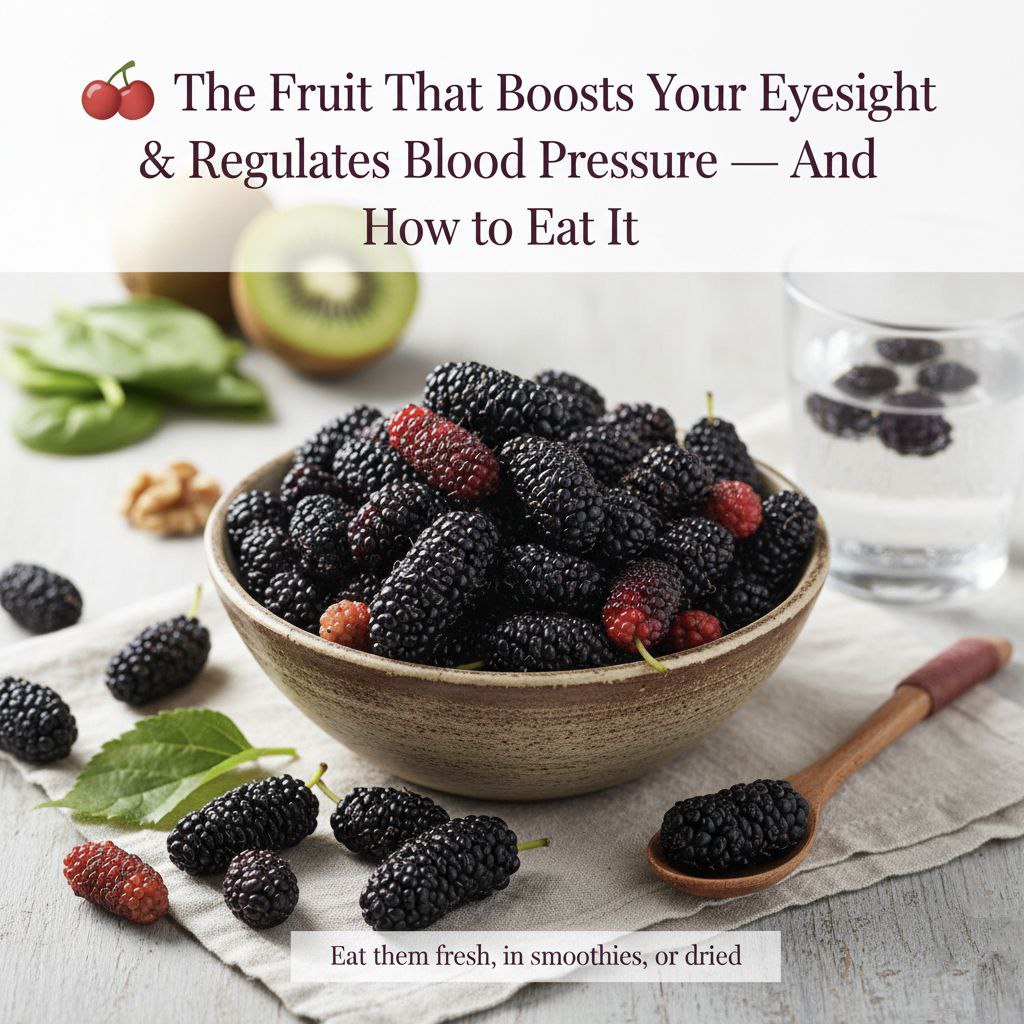
🌟 Introduction: A Hidden Gem in the Fruit Aisle
Have you ever picked up a fruit knowing it tastes good, but discovered it could also help your eyes and your blood pressure? Some seasonal fruits may not get the spotlight they deserve — yet they’re quietly packed with nutrients that support vision health, healthy blood pressure, and overall wellness. In this article we’ll explore this special seasonal fruit: what it is, what the science says, why it helps your eyesight and blood pressure, and most importantly — how to eat it to get the most benefits (because how you consume it matters).
Whether you’re aiming for better vision, healthier cardiovascular markers, or simply want to make the most of seasonal produce — this guide will give you an actionable approach.
🧐 Which Fruit Are We Talking About?
While many fruits claim “superfood” status, one standout is the humble canteloupe / muskmelon (also known in some regions simply as “melon”). According to nutrition sources, muskmelon is rich in vitamin A (essential for eyesight) and potassium (important for regulating blood pressure).
In other words: this fruit works on both fronts — vision and cardiovascular health.
👁️ How It Supports Eyesight
- Vitamin A (and its precursor beta-carotene) supports the retina, helps maintain good vision, especially in low light.
- Antioxidants from fruits help protect the delicate tissues of the eye from oxidative damage.
- When you eat a fruit like muskmelon, you receive both vision-protective nutrients and hydration in one package.
❤️ How It Helps Regulate Blood Pressure
- Potassium is a key mineral in controlling blood pressure because it helps balance sodium in your body and relax blood vessel walls.
- This seasonal fruit delivers a good dose of potassium while being low in sodium and saturated fat — a win for cardiovascular health.
- Regular inclusion of potassium-rich fruits is linked to lower risk of hypertension and heart disease.
🍉 Nutrition Snapshot: What You Get
Here’s a rough idea of what this seasonal melon gives you (approximate for one cup of cantaloupe ≈ 160 g):
- Calories: ~54
- Vitamin A: ~120% of daily value
- Vitamin C: ~60% of daily value
- Potassium: ~427 mg (varies by fruit size)
- Water content: very high (~90%) → good for hydration and “fullness”
This nutrient profile hits the sweet spot: vision support, blood pressure help, low calorie, refreshing.
🥣 Why “How You Eat It” Matters
It’s not just the fruit — it’s also how you consume it that determines how much benefit you’ll get:
- Eat fresh and ripe: A fruit at its peak ripeness contains the most vitamins and bio-active nutrients.
- Raw is best: Cooking or processing can degrade heat-sensitive vitamins like vitamin C and some carotenoids.
- Include the pulp: If you turn it into a juice, keep some pulp for fibre and slower absorption.
- Pair smartly: Combine with healthy fats (e.g., a few nuts) to help absorb fat-soluble vitamin A.
- Limit added sugar: Avoid drowning your fruit in syrups or sweetened creams — this dilutes the health benefit.
- Watch portion & timing: While healthy, fruit still has natural sugars — pairing with protein or fibre helps balance blood sugar.
🧑🍳 2 Delicious Ways to Eat It
Here are two practical, tasty ways to incorporate this seasonal fruit into your diet — one simple, one elevated.
1. Fresh Melon & Nuts Snack Bowl
- 1 cup cubed seasonal melon (muskmelon/canteloupe)
- 2 Tbsp chopped walnuts or almonds
- 1 Tbsp plain Greek yogurt (optional)
- A sprinkle of chia seeds
How: Combine all and enjoy as a refreshing snack or even breakfast.
Why: You get vitamin A & C from the melon, potassium for blood pressure, healthy fats and protein for nutrient absorption and fullness.
2. Melon-Mint Refreshing Salad with Citrus
- 2 cups melon cubes
- Juice of ½ lemon or lime
- A few fresh mint leaves, finely chopped
- ½ cup cucumber slices (adds extra potassium + hydration)
How: Toss everything gently and chill for 15 minutes before serving.
Why: The citrus adds vitamin C, mint aids digestion, cucumber adds more hydrating volume and nutrients. Together they make a “light but potent” dish for eye health and cardiovascular support.
📅 Daily Routine & Serving Ideas
- Morning: Start your day with a small fruit bowl of this melon instead of sugary cereal.
- Mid-afternoon: Use it as a refreshing snack to curb hunger, support hydration and nutrient intake.
- Pre-meal or Post-meal: A cup of melon before a meal can help regulate appetite; after a salty meal it helps restore hydration and potassium balance.
- Hydration combo: Because it’s high in water, using it as part of your fluid intake contributes to hydration which indirectly supports blood pressure and circulation.
🧭 How Much & How Often?
While there’s no “magic number,” here’s a guideline:
- 1 cup (~160 g) of this fruit 3-4 times per week gives you consistent intake of vision- and heart-friendly nutrients.
- If you’re managing blood pressure or at risk, daily intake is fine — just pair with low-salt diet and monitor other dietary sources of potassium (to avoid excess if you’re on medication).
- Variety matters: Don’t rely solely on one fruit; still include leafy greens, fish, legumes and whole grains for full spectrum health.
⚠️ Who Should Be Cautious?
- Diabetics or pre-diabetics: While this fruit is relatively low in sugar compared to many tropical ones, it still contains natural sugars — monitor portion size.
- Kidney disease patients: Potassium levels matter; if on potassium-restricted diet, consult your doctor.
- Anyone with sensitive digestive system: Eat the fruit in moderation and with some fibre or protein to reduce a potential blood sugar spike.
🔬 The Science & Evidence
- A review of vision-healthy habits emphasises the role of vitamins A & C, carotenoids and good circulation.
- Studies show that fruits high in potassium and antioxidants are linked to better blood pressure control and cardiovascular outcomes.
- While some social posts claim “this fruit now improves eyesight and regulates blood pressure,” reliable medical sources caution that dietary fruits are part of a broader pattern of health — not single cures.
🏁 Conclusion: Embrace the Season, Support Your Eyes and Heart
Here’s what to remember:
- When in season, don’t skip this melon-type fruit—it’s both a vision-booster and a blood-pressure helper.
- Eat it fresh, raw, and paired smartly with nuts or veggies — that’s how you make the most of its benefits.
- It’s not a silver bullet: it supports your health within a broader healthy diet and lifestyle.
- Enjoy it regularly, but keep variety — your eyes and heart will thank you.
So next time you spot this seasonal fruit at the market, pick up a few. Cube it, toss it into salads or snack bowls, savour it — and know you’re doing a little extra for your vision and pressure beyond just enjoying something delicious.